
Blood Pressure Control: Why It Matters & How to Manage It Effectively
A Practical Guide to Understanding Hypertension, Healthy Ranges, and Long-Term Heart Protection

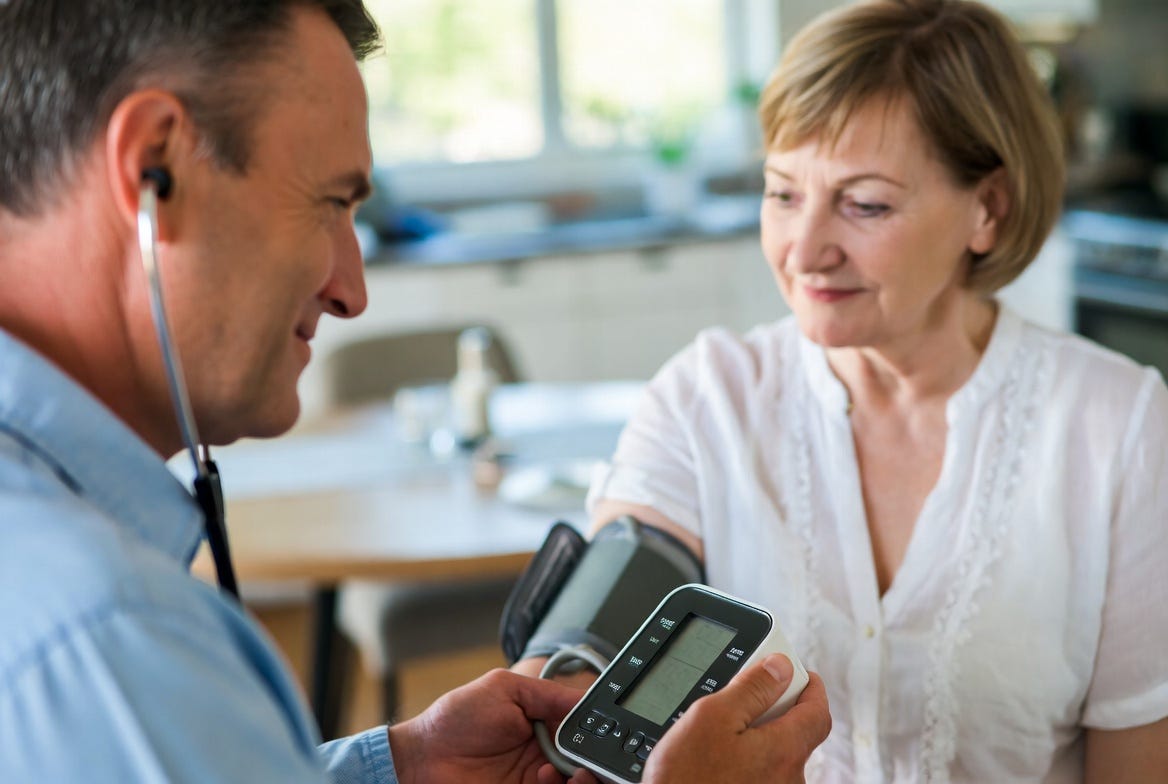
Blood pressure control is one of the most important — yet often overlooked — aspects of long-term health. High blood pressure (also known as hypertension) is often called the “silent killer” because it typically has no noticeable symptoms, yet it significantly increases the risk of heart disease, stroke, kidney problems, and other serious conditions.
Let’s break down what blood pressure is, what healthy levels look like, and practical steps you can take to keep it under control.
What Is Blood Pressure?
Blood pressure is the force of blood pushing against your artery walls as your heart pumps. It’s measured using two numbers:
Systolic pressure (top number): Pressure when your heart beats
Diastolic pressure (bottom number): Pressure when your heart rests between beats
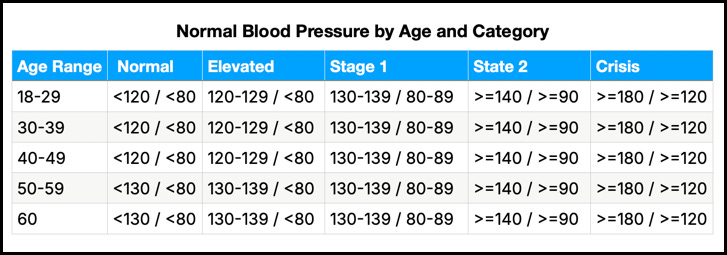
A typical healthy reading is around 120/80 mmHg.
Blood Pressure Categories
Why Blood Pressure Control Is So Important
Uncontrolled high blood pressure increases the risk of:
❤️ Heart disease
🧠 Stroke
🩺 Kidney damage
👁️ Vision loss
🩸 Artery damage
Because it often has no warning signs, regular monitoring is crucial.
Lifestyle Changes That Help Lower Blood Pressure
1. Improve Your Diet
Focus on:
Fruits and vegetables
Whole grains
Lean proteins
Low-sodium foods
The DASH diet (Dietary Approaches to Stop Hypertension) is especially effective.
2. Reduce Salt Intake
Too much sodium raises blood pressure. Aim for:
Less than 2,300 mg per day - but salt should be sea salt or himalayan Salt, not store-bought table salt!
Ideally closer to 1,500 mg if you have hypertension
3. Stay Physically Active
Regular exercise can lower blood pressure by 5–8 mmHg. Try:
30 minutes of brisk walking
Cycling
Swimming
Strength training (2–3 times per week)
4. Maintain a Healthy Weight
Even small weight loss can significantly improve blood pressure.
5. Limit Alcohol & Quit Smoking
Excess alcohol raises blood pressure.
Smoking damages blood vessels and increases risk.
6. Manage Stress
Chronic stress contributes to hypertension. Try:
Deep breathing exercises
Meditation
Yoga
Good sleep habits
When Medication Is Needed
If lifestyle changes aren’t enough, doctors may prescribe medications such as:
Diuretics
ACE inhibitors
Beta-blockers
Calcium channel blockers
Always follow your healthcare provider’s guidance and never stop medication without medical advice.
How to Monitor Blood Pressure at Home
Home monitoring helps track progress and detect patterns.
Tips:
Sit quietly for 5 minutes before measuring
Keep your arm at heart level
Avoid caffeine or exercise 30 minutes prior
Take readings at the same time daily
Record your results
When to Seek Medical Help
Seek immediate care if blood pressure is:
180/120 mmHg or higher
Accompanied by chest pain, shortness of breath, or severe headache
Final Thoughts
Blood pressure control isn’t about perfection — it’s about consistency. Small, daily habits create long-term protection for your heart, brain, and overall health. With regular monitoring, smart lifestyle choices, and medical support when needed, you can successfully manage and even prevent high blood pressure.
* In coming articles, we will talk about natural remedies and holistic foods that can raise nitric oxide levels and smooth your blood vessels for ideal pressure.