
The Silent Damage Inside Your Arteries: Understanding Endothelial Dysfunction
The microscopic vascular system that controls blood flow, inflammation, and nitric oxide signaling long before heart disease appears.

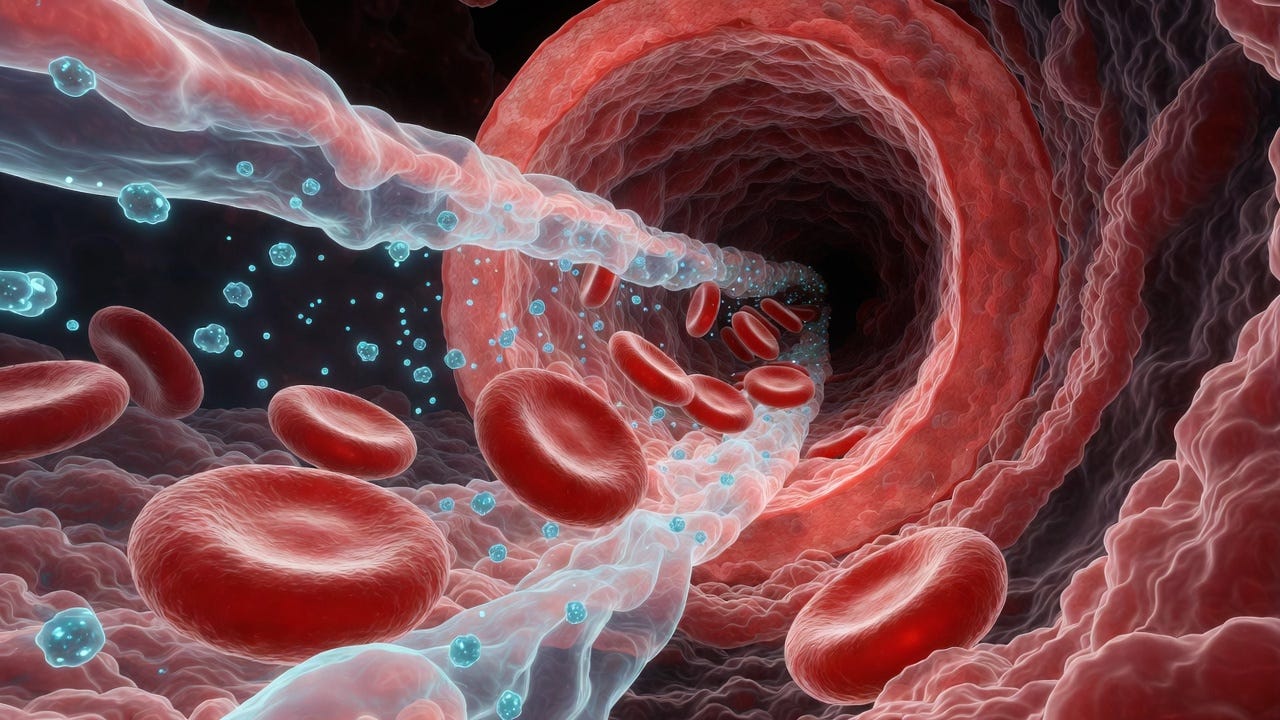
Most people think of heart disease as a plumbing problem. Arteries clog, blood flow slows, and eventually something serious happens such as a heart attack or stroke. That explanation is simple, but it misses the deeper biological story that begins long before any blockage forms.
At the center of that story is a microscopic layer of cells lining every blood vessel in the body. This layer is called the endothelium, and when it stops functioning properly the condition is known as endothelial dysfunction. For many researchers, this dysfunction is the true starting point of cardiovascular disease.
The endothelium is not just a passive lining. It acts more like a sophisticated control system for the vascular network. These cells regulate blood pressure, control inflammation, influence clotting, and signal surrounding smooth muscle when to relax or contract. They even communicate with immune cells and metabolic systems throughout the body.
One of the most important substances produced by endothelial cells is nitric oxide. Nitric oxide functions as a signaling molecule that tells blood vessels to relax and widen. When vessels dilate properly, blood flows smoothly and oxygen reaches tissues efficiently.
When the endothelium becomes impaired, nitric oxide production falls. The vessels become less flexible, inflammation rises, and the conditions that lead to plaque formation begin to develop. This process often unfolds slowly and quietly over many years.
Many of the chronic diseases that dominate modern medicine are closely associated with endothelial dysfunction. High blood pressure, type 2 diabetes, atherosclerosis, and even certain neurodegenerative conditions have been linked to damage within the endothelial layer.
Researchers have also begun to understand that endothelial dysfunction may help explain why cardiovascular risk often increases with age. The endothelium gradually loses its ability to generate nitric oxide and to maintain the delicate balance between dilation and constriction.
The causes of endothelial dysfunction are numerous, but several factors appear repeatedly in the scientific literature.
Chronic inflammation is a major contributor. Persistent inflammatory signals damage the endothelial lining and interfere with nitric oxide signaling pathways. Diets high in processed foods, excessive sugar intake, and metabolic disorders can all intensify this inflammatory burden.
Oxidative stress is another key mechanism. Free radicals react with nitric oxide and destroy it before it can perform its signaling role. Over time, this reduces vascular flexibility and encourages plaque formation along arterial walls.
Insulin resistance, which often accompanies metabolic syndrome, also disrupts endothelial signaling. Elevated glucose and insulin levels can impair the biochemical pathways responsible for nitric oxide production.
Smoking remains one of the most powerful drivers of endothelial injury. Tobacco toxins directly damage the endothelial layer and accelerate the loss of nitric oxide availability.
The encouraging news is that endothelial function is not fixed. Many studies show that it can improve when the underlying causes are addressed.
Physical activity, particularly moderate aerobic exercise, stimulates nitric oxide production and enhances vascular flexibility. Diets rich in vegetables, polyphenols, and natural nitrates have also been shown to support endothelial health.
Certain nutrients appear especially important for maintaining nitric oxide pathways. Amino acids such as L-arginine and L-citrulline serve as precursors for nitric oxide synthesis. Plant compounds found in foods such as beets, leafy greens, and pomegranates can also enhance endothelial signaling.
The emerging research on vascular biology suggests that protecting the endothelium may be one of the most important strategies for maintaining long term cardiovascular health.
Instead of focusing only on cholesterol numbers or blood pressure readings, many scientists are now asking a deeper question. How well is the endothelial layer functioning?
If the endothelium remains healthy, arteries stay flexible, blood flow remains efficient, and the conditions that lead to plaque buildup become far less likely.
In other words, the battle for cardiovascular health may begin at a level that most people never see. It begins inside a single microscopic layer of cells that quietly regulates the entire vascular system.
Understanding endothelial dysfunction shifts the conversation about heart health away from late stage disease and toward early biological signals. When we protect the endothelium, we protect the foundation of the circulatory system itself.